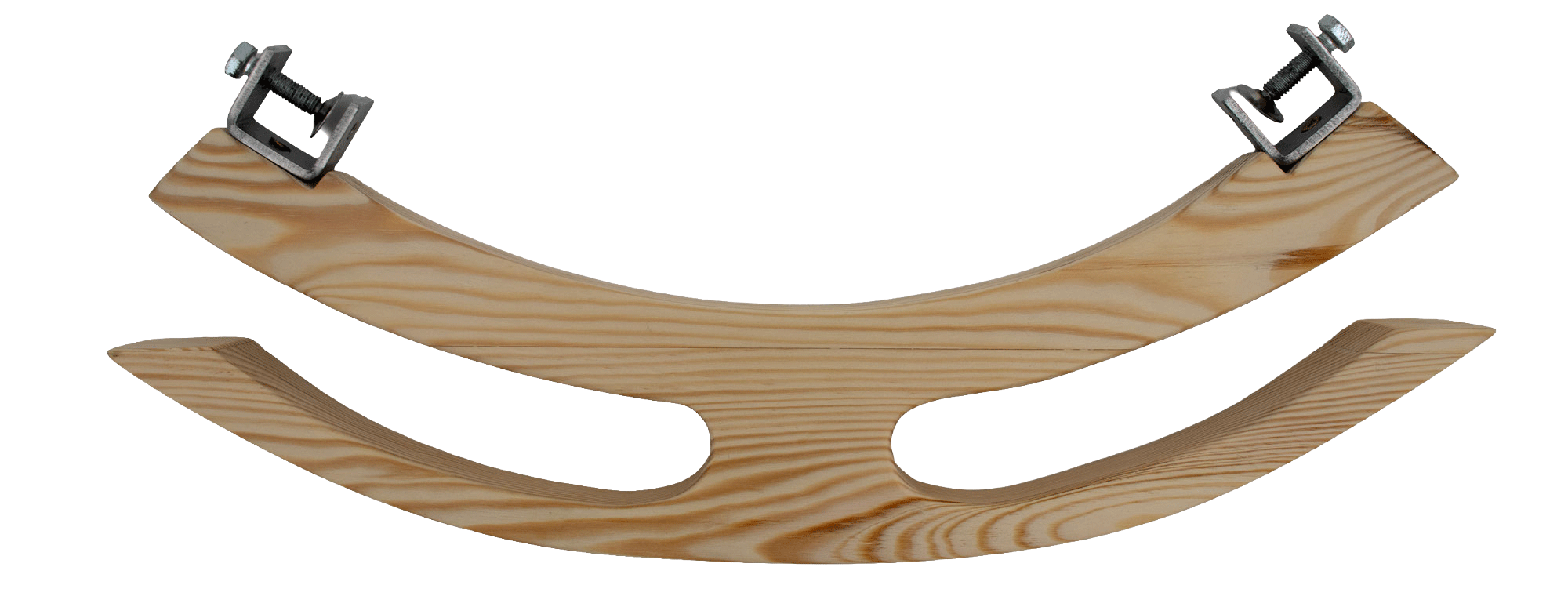
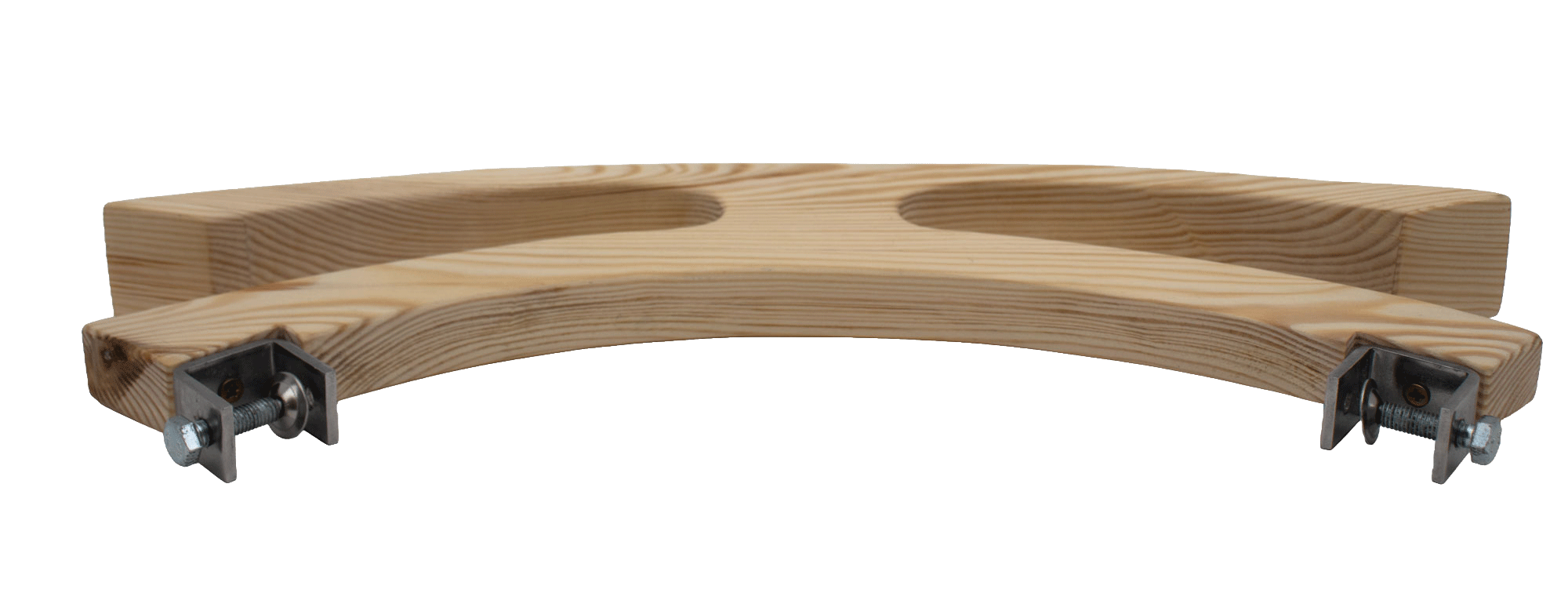
The brief: think through creating and refining our own design methodology. Given the task of designing and making a tool in collaboration with Kartell, we collectively chose to make a coat hanger.
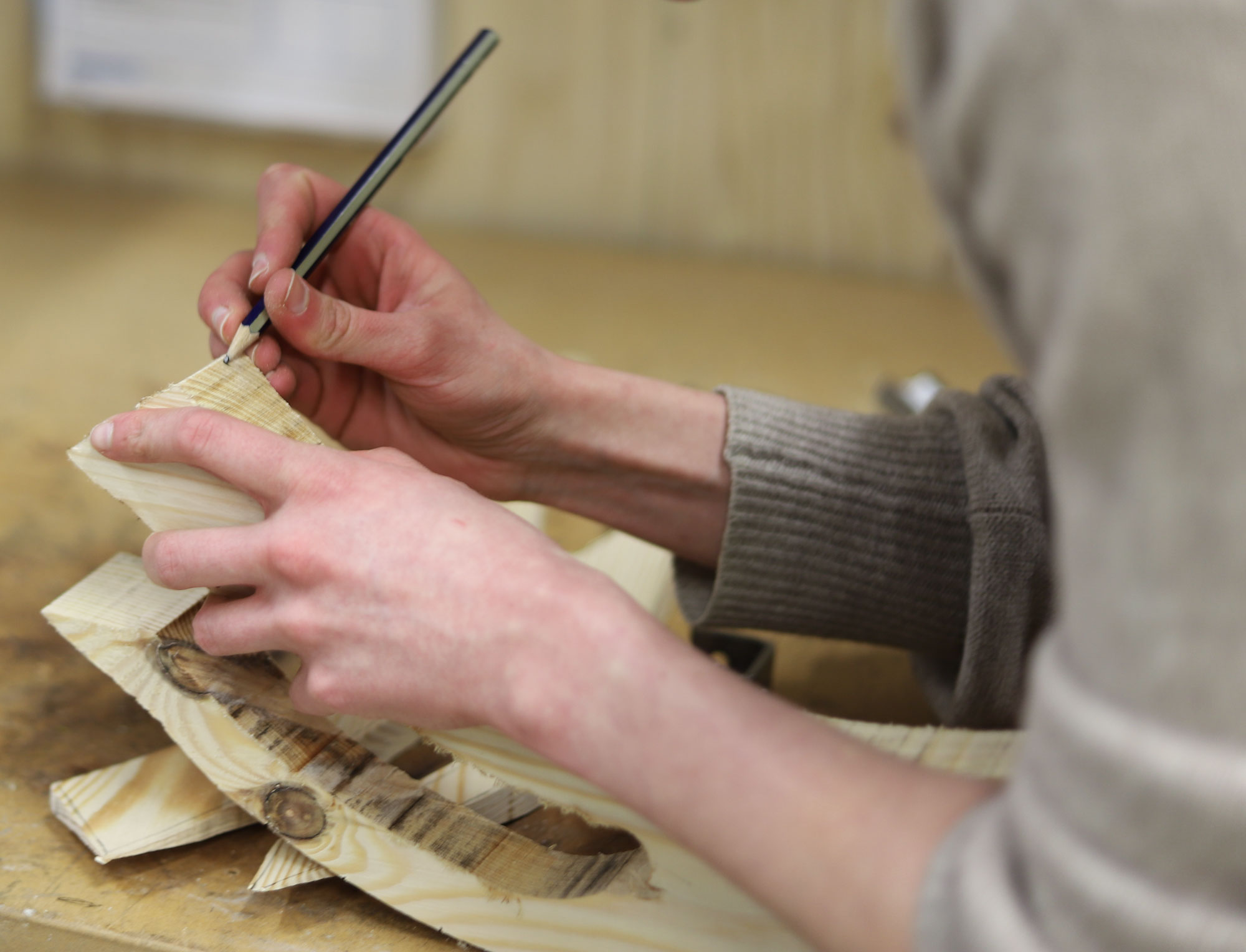
This project moves between making and research, using each to inform the other. Beginning with working with paper, I explored how to give it structure and height simultaneously, eventually coiling the sheet so that it sprang up when released from a compressed position. The surprise this produced led me to the concept of the gimmick — how something so rudimentary could create a strong emotional reaction — which became a framework for investigating the coat hanger historically.
From there, I looked into how people use coat hangers today and what happens in their absence. Most people rarely encounter one outside a domestic context, leaving the chair back as the default substitute, where it rarely suits the needs of a garment.
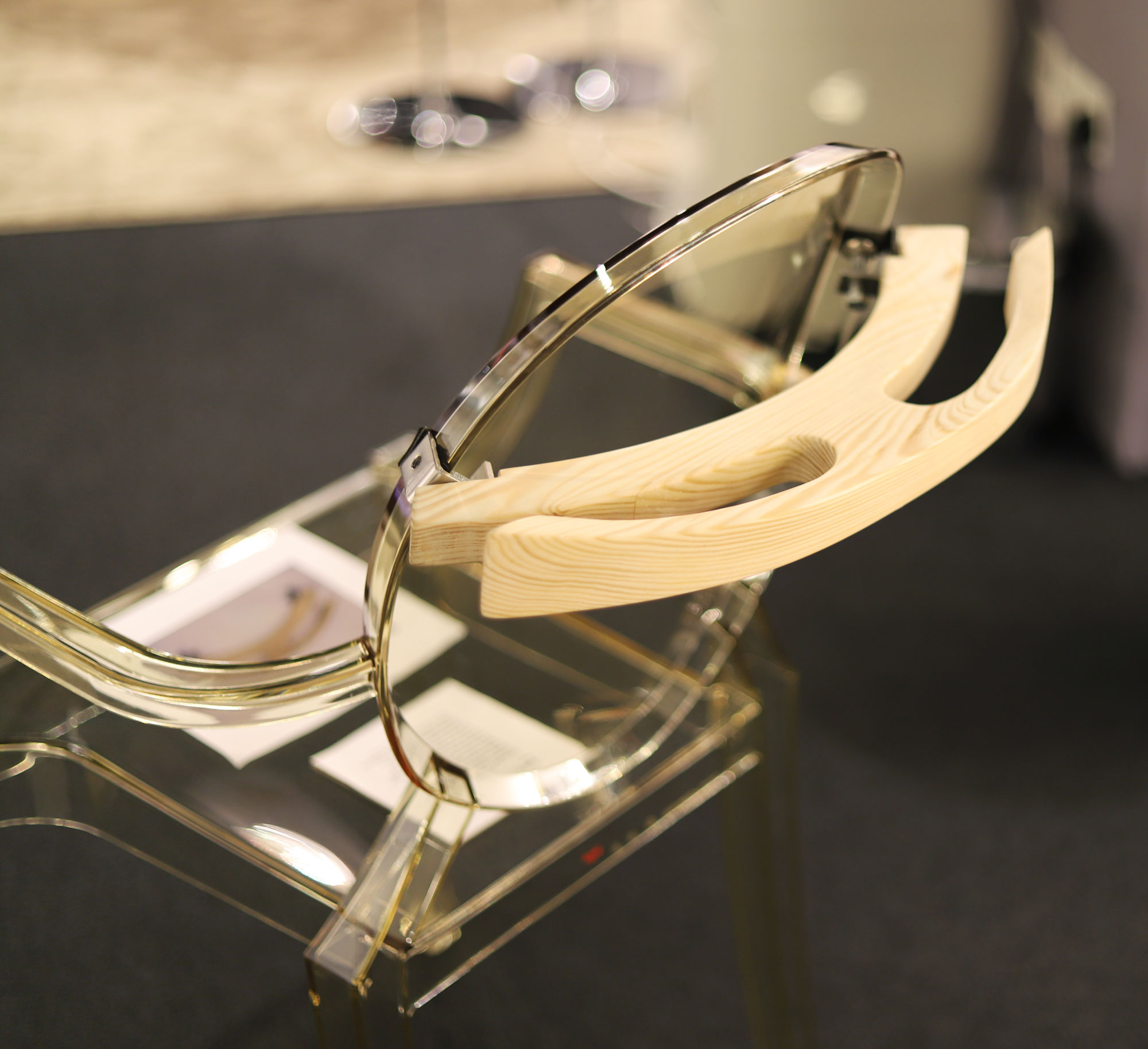
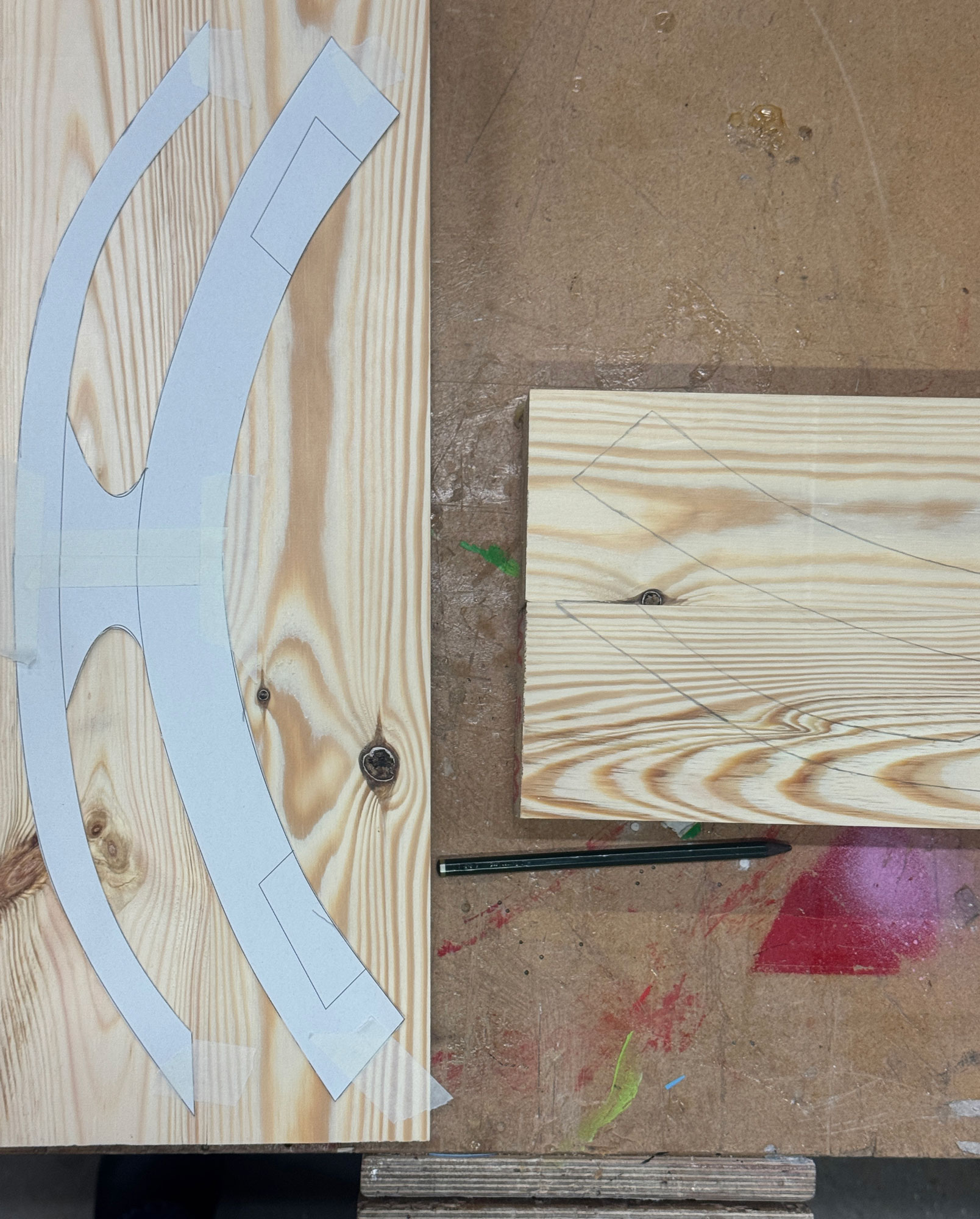
After researching historical references to guide the design, I began to imagine how it could apply to Kartell, our collaborator for this brief. The Louis Ghost chair stood out: coats slide off its polycarbonate back, and the clarity of the material would respond well to a wooden extension — light enough to attach easily and flexible enough to modify through prototyping. The aim was to make something that allows a coat to hang separately from the chair back, bringing a sense of dignity to it rather than having the coat be an afterthought.